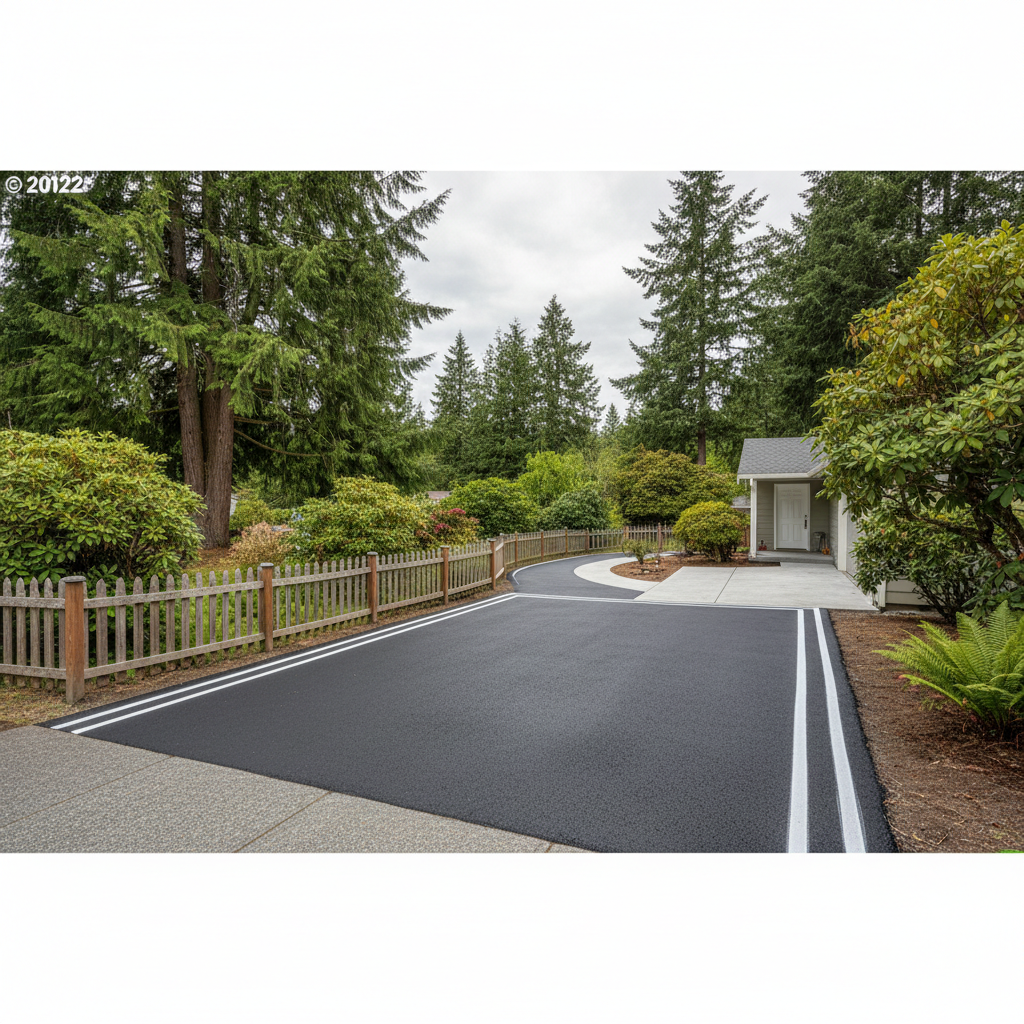
So, you're eyeing your driveway and thinking it could use some fresh lines, maybe a basketball court, or just a clearer path for visitors. Smart move. A well-striped asphalt surface isn't just about looking good; it's also about safety, keeping things organized, and actually getting more life out of your pavement. But hold on a sec. Before you jump into anything, you'll want a plan. Here's what I tell folks right here in Tukwila when they're thinking about a striping project for their home.
Timeline: Don't Rush It
You can't just decide today and expect it to be striped tomorrow, especially if you want it done right. First off, you've got to get a few quotes. That usually takes a few days, maybe even a week. Then, you'll need to pick a contractor and get on their schedule. Good contractors are busy, so don't be surprised if there's a two to four-week wait, sometimes even longer during peak season (that's late spring through early fall, by the way). Weather plays a huge part too. We get a lot of rain here in Tukwila, especially near the Duwamish River, so you really need a stretch of dry weather for the paint to cure properly. If it rains, well, we have to reschedule, and that pushes everything back.
Once the work is finished, you'll need to keep off those fresh lines for at least 24 hours, sometimes longer depending on the paint type and how humid it is. Make sure to factor that into your plans, especially if you've got a busy household or need to move vehicles around.
What to Expect on Project Day
When the crew shows up, they're not just slopping paint down. There's a whole process. First, they'll clean the surface really well. That means sweeping, blowing off leaves, dirt, and any loose bits. Paint just won't stick to a dirty surface, plain and simple. If you've got oil spots or heavy grime, they might need to power wash those areas, which, of course, adds to the drying time. After that, they'll measure and mark everything out. This is where being precise really matters. They'll use chalk lines or string to get those lines perfectly straight and spaced correctly. For things like parking stalls or directional arrows, they'll use stencils.
Once everything's marked, the actual painting starts. They use specialized striping machines that apply the paint evenly. It's usually a pretty quick process once they get going. After the paint is down, they'll put up cones or tape to keep people and vehicles off the fresh lines. It's super important to respect those barriers. Driving over wet paint? That's a mess you absolutely do not want to deal with.
How to Get Your Driveway Ready
You can actually help make project day go smoothly. Here's what I suggest:
- Clear the area: Move all vehicles off the driveway and out of the work zone. This means cars, boats, RVs, trailers, and even your kids' bikes or toys.
- Trim back foliage: If you've got bushes or tree branches hanging low over the driveway, trim them back. The crew needs clear access, and you certainly don't want paint on your prize-winning rhododendrons.
- Clean up loose stuff: Sweep up any major debris like leaves or pine needles. The crew will do a final sweep, but every little bit helps.
- Point out problem spots: If you know you have an oil leak from your car that's left a stain, or a particularly rough patch, tell the contractor beforehand. It helps them prepare.
- Communicate: If you have specific instructions or areas you want to make sure are covered, talk to the crew chief when they arrive. Don't assume they know exactly what's in your head, right?
Questions to Ask Before You Sign That Contract
This is where you protect yourself and make sure you get what you pay for. Don't be shy about asking these:
- What kind of paint do you use? There's water-based, solvent-based, and different grades. Some last longer, some dry faster. You should understand what you're getting.
- What's your warranty on the striping? How long do they guarantee the lines will last without significant fading or peeling?
- Does the quote include surface preparation? Does that cover sweeping, blowing, and any necessary spot cleaning?
- What's the drying time, and how long do I need to keep off the surface? Get this in writing so there's no confusion later.
- Do you carry insurance? This is a big one. Make sure they have liability insurance in case something goes wrong. Ask for proof.
- What's your plan for unexpected rain? What happens if it starts raining mid-job? Who decides to stop, and how does rescheduling work?
- Can I see some examples of your residential striping work? A good contractor, like us at Mighty Asphalt Solutions, will be proud to show off their past projects.
- What's the full cost, and are there any potential hidden fees? Get a detailed quote that breaks down materials and labor.
Asking these questions upfront saves a lot of headaches later. You want to feel confident in the contractor you choose. A little planning goes a long way to getting a crisp, clean, and durable striping job that'll make your home look great.