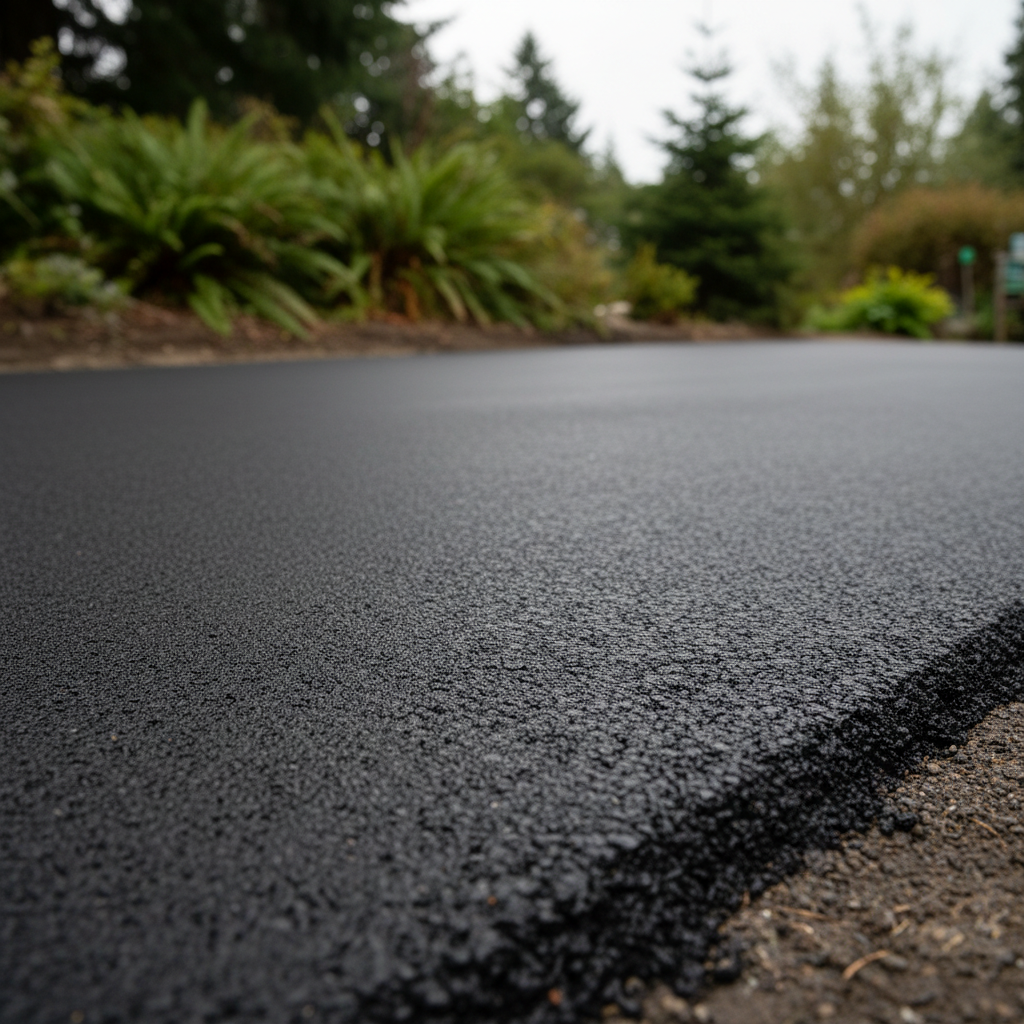
Thinking about a new driveway or maybe fixing up an old one? Good. That's a pretty big investment, and I bet you've got a ton of questions swirling around. I hear 'em all the time from folks right here in Tukwila, you know. So, I figured I'd just lay out some straight answers to the most common questions homeowners ask me about driveway paving. No fancy marketing talk, just what I've learned working in this area for years.
How much does a new asphalt driveway cost in Tukwila?
Alright, let's just get this one out of the way first. It's usually the very first thing on everyone's mind! The cost of a new asphalt driveway isn't a simple, one-size-fits-all number, not by a long shot. It really depends on a few key things: the size of your driveway, obviously, but also the current condition of the area we're working with. Are we tearing out old concrete or asphalt? That means more labor and disposal costs, which adds up. Do we need to do a lot of grading or fix drainage issues? That tacks on to the price too. The thickness of the asphalt we lay down also matters — a thicker base and surface course will last longer, sure, but it costs more upfront.
Generally, you're looking at a per-square-foot price, but that can really jump around. For a typical residential driveway around here, you might be looking at anywhere from $3 to $7 per square foot for a complete install. That includes excavation and getting the base ready. That's just a rough range, though. The best way to get an accurate number? Have someone like me come out and take a look. We can give you a solid, no-surprise quote once we've seen your specific situation.
How long does an asphalt driveway last around here?
A well-installed asphalt driveway in our climate can last a good 15 to 25 years, sometimes even longer, if you take care of it. The key phrases there are "well-installed" and "take care of it." What does that mean for us specifically in Tukwila? It means proper drainage is super important. We get a lot of rain, especially in the winter, and standing water is asphalt's worst enemy. It seeps into cracks, freezes, expands, and then boom — you've got potholes and crumbling edges. So, good sub-base preparation and proper grading to shed water are non-negotiable, truly.
Regular maintenance also plays a huge role. Sealcoating every 2-3 years protects the surface from UV rays and water sneaking in. Fixing small cracks as they appear stops them from becoming big problems later. If you ignore those little things, you'll be looking at repairs or even replacement a lot sooner than you'd like, trust me.
What's better for my driveway: asphalt or concrete?
This is a classic debate, and honestly, both have their good points and bad points. For most homeowners I deal with in Tukwila, asphalt is usually the more practical and cost-effective choice. It's generally cheaper to install upfront. It's also more flexible, which is a big plus with our clay soils around here that can shift a bit. Concrete is rigid, so it's more prone to cracking with ground movement or freeze-thaw cycles if it's not perfectly installed with expansion joints.
Asphalt is easier and cheaper to repair, too. You can patch it seamlessly. Concrete repairs often stick out like a sore thumb. On the flip side, concrete can last longer if it's perfectly installed and maintained — sometimes 30+ years — and it needs less frequent sealcoating. It also just looks different; some people prefer the aesthetic of concrete. But for a durable, affordable, and easily maintainable driveway that handles our weather and ground conditions well, asphalt is usually my recommendation. Why make things harder than they need to be?
Do I need a permit to pave my driveway in Tukwila?
This is a good question, and it's one you definitely want to get right. For most straightforward driveway repaving projects where you're just replacing what's already there with the same material and footprint, you probably won't need a permit from the City of Tukwila. However, if you're expanding your driveway, changing its location, adding a lot of impervious surface, or doing extensive grading that might affect stormwater runoff, then yes, you'll likely need a permit. The city wants to make sure new construction meets zoning requirements and doesn't create drainage problems for your neighbors or the local stormwater system.
My advice? Always check with the City of Tukwila's Planning and Development Department before starting any major work. It's better to make a quick call and be sure than to get hit with fines or have to redo work later. We can help you figure out if a permit is needed for your specific project.
How long does it take to pave a residential driveway?
For a typical residential driveway, the actual paving process itself is surprisingly quick, usually one to two days. That's for the hot asphalt to be laid down, compacted, and finished. But that's not the whole story, is it? Before we even get to that point, there's the prep work: excavation of the old material, grading the sub-base, and compacting it properly. That can add another day or two, depending on the size and complexity. If there are significant drainage issues or a lot of old material to remove, it could stretch a bit longer.
Once the asphalt is down, you'll need to stay off it for a few days — usually 24 to 72 hours for light traffic, and a bit longer for heavy vehicles. It just needs time to cure and harden properly. We'll always give you specific instructions for your new driveway so you don't mess up that fresh surface.
What kind of maintenance does an asphalt driveway need?
Alright, so you've got your beautiful new asphalt driveway. Now what? Maintenance isn't super complicated, but it is important if you want it to last. First off, keep it clean. Sweep off leaves and dirt regularly. Don't let oil or gas spills sit — clean them up quickly with an absorbent material and mild detergent, because petroleum products can actually break down asphalt.
Crack sealing is huge. As soon as you see small cracks, usually hairline ones, get them filled. This stops water from getting underneath and causing bigger problems. Think of it like patching a small hole in your roof before it becomes a leak. Then there's sealcoating. I recommend sealcoating every 2-3 years. It's like sunscreen for your driveway, protecting it from UV rays, water, and chemicals. It also brings back that nice black finish and makes it look new again. These steps, done consistently, will really extend the life of your driveway. Mighty Asphalt Solutions can help you with all these maintenance tasks.