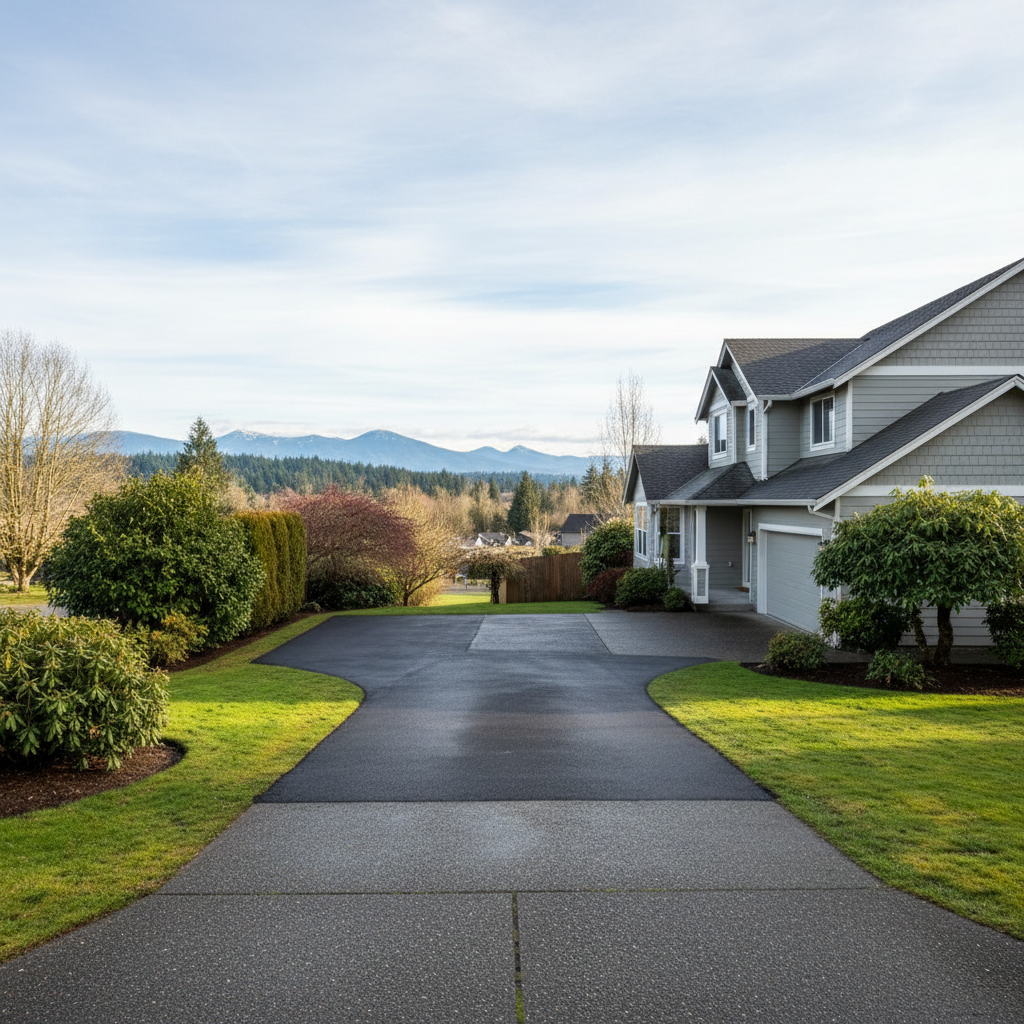
You've seen them, right? Those tiny hairline cracks that grow into spiderwebs, or a small dip that suddenly becomes a full-blown pothole after a good winter rain. Fixing asphalt isn't just about making things look nice again; it's about protecting your investment and keeping everyone safe. Here in Tukwila, we face some pretty specific challenges, and having local expertise really changes the game.
Why Tukwila's Asphalt Needs a Little Extra TLC
Our Pacific Northwest weather is a huge factor. We get a ton of rain, especially from November right through April, and that constant moisture seeping into cracks is asphalt's worst enemy. Water expands when it freezes, even just a tiny bit, and that's how those small cracks turn into big problems fast. Then, throw in the heavy traffic on places like Tukwila International Boulevard or the constant wear and tear in residential areas like Foster, and you've got a recipe for pavement trouble.
Another thing I've noticed over the years is the soil itself. We've got a real mix around here, but a lot of the older developments, especially closer to the Green River, were built on softer, more alluvial soils. If your sub-base isn't stable, your asphalt is going to suffer, no matter how perfectly it was laid down. That's why I always stress how important it is to understand what's underneath before you even think about patching anything.
Common Asphalt Problems We Spot
When I'm out giving estimates, I see a few types of damage pop up more often than others:
- Cracking: This is by far the most common. You've got alligator cracking (which, you guessed it, looks like alligator skin), longitudinal cracks (running parallel to the pavement's direction), and transverse cracks (running across). Each type tells us a story about what's happening beneath the surface, whether it's fatigue from heavy loads, thermal stress, or issues with the sub-base.
- Potholes: These usually happen when cracks aren't fixed. Water gets in, freezes and thaws, and then traffic pounds on that weakened spot until a chunk of asphalt just breaks away. They're not just an eyesore; they're a tripping hazard for people walking and can really mess up vehicles.
- Raveling: This is when the aggregate (those small stones) starts to come loose from the asphalt binder. It makes the surface rough and can lead to much worse deterioration if you let it go. Often, it's a sign of aging asphalt or maybe the initial mix wasn't quite right.
- Depressions and Rutting: These are sunken areas or channels in the pavement, usually where vehicle wheels pass frequently. They often point to a failure in the sub-base or an area that's constantly overloaded. They also collect water, which just makes everything worse, doesn't it?
What Kind of Repair Is the Right One?
This is where things get a bit tricky, and why a one-size-fits-all approach simply won't work. You can't just slap down some cold patch and call it done, especially not for a long-term fix. Here's what we typically consider:
Crack Filling and Sealing: For those smaller, non-alligator cracks, filling them with a hot-applied rubberized sealant is absolutely essential. It stops water from getting in and keeps them from expanding. It's preventative maintenance, really, and probably the most cost-effective thing you can do to make your pavement last longer.
Patching: For potholes or localized areas of alligator cracking, patching is the usual solution. But there are different kinds. A temporary cold patch might get you through a rainy week, sure, but for a repair that actually lasts, you need a hot mix asphalt patch. We'll cut out the damaged section, prepare the base, and then lay down and compact new hot asphalt. When it's done right, it blends in and holds up.
Overlay or Resurfacing: If your pavement has widespread cracking, raveling, or rutting, but the sub-base is still in good shape, an overlay might be the answer. We'll clean and prep the existing surface, maybe do some localized patching, and then lay a new layer of hot asphalt right over the top. Think of it like giving your pavement a brand new skin without having to tear everything out.
Full-Depth Replacement: Sometimes, the damage just goes too deep. If the sub-base is compromised, or the pavement is simply too far gone with deep, widespread issues, you're looking at a full-depth replacement. This means we dig out the old asphalt and often some of the sub-base, repair or rebuild the base, and then lay down new asphalt layers. It's a bigger project, definitely, but sometimes it's the only way to get a truly lasting fix.
Why Local Expertise Really Matters for Tukwila Asphalt
You might think asphalt is asphalt, but knowing the local conditions makes a huge difference. I've been doing this for years, and I know how our specific climate affects different asphalt mixes. I know which areas tend to have drainage problems, or where the soil might be more likely to settle. When Mighty Asphalt Solutions comes out, we're not just looking at the surface; we're trying to understand the root cause of the problem.
We've worked on everything from residential driveways in the Cascade View neighborhood to commercial parking lots near Southcenter. We understand the city's permitting requirements, and we're familiar with the types of materials that perform best with our freeze-thaw cycles and heavy rain. Hiring local means you're getting someone who understands your specific challenges and is invested in doing a good job for their neighbors.
Don't let those small cracks turn into big headaches. Get them looked at early, and let's figure out the best, most cost-effective way to keep your Tukwila asphalt in top shape.